
24/7 Emergency Line Open
Water Line Repair in Cottonwood, AZ: Buried Leaks, Low Pressure and the Pipe From Meter to House
The yard is soggy in dry weather, water pressure has sagged, or the meter keeps moving after every tap is closed. The pipe between the meter and the house is a likely suspect, and it needs a plumber who knows what to ask the utility before digging.
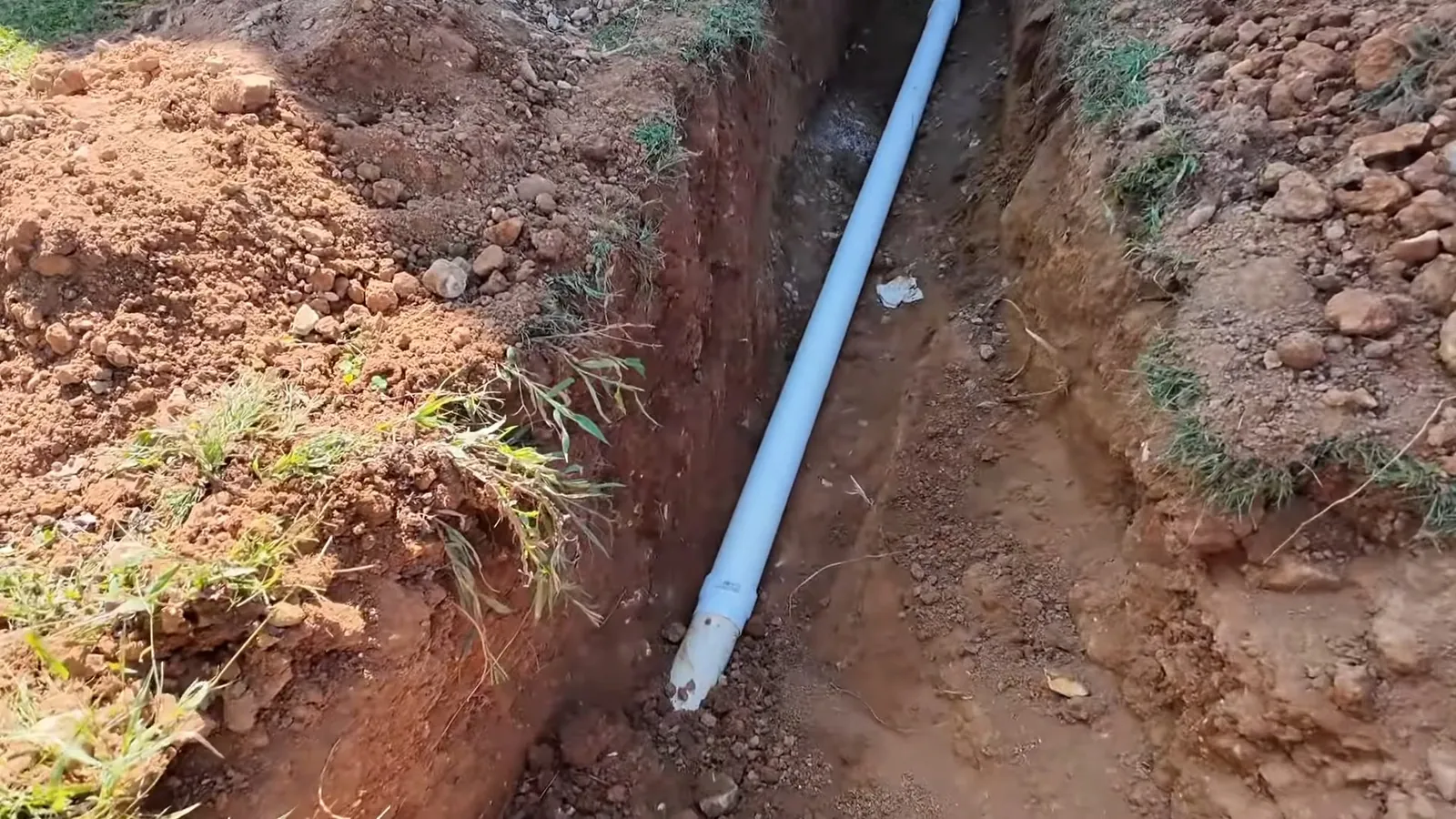
Signs
How to tell the buried line is the problem
- A wet or sunken patch between the meter and the house with no rain or irrigation to explain it.
- The meter indicator moves while every fixture inside is off.
- Pressure drops at every tap, not just one.
- A sudden rise in the bill with no change in how the house is used.
- The sound of water running near the meter box or the front wall.
Run the meter test described on the hidden leak page: close everything and see whether the dial turns. If it does and nothing inside is wet, the line outside is next on the list.
Who handles which part: ask your water provider before you dig
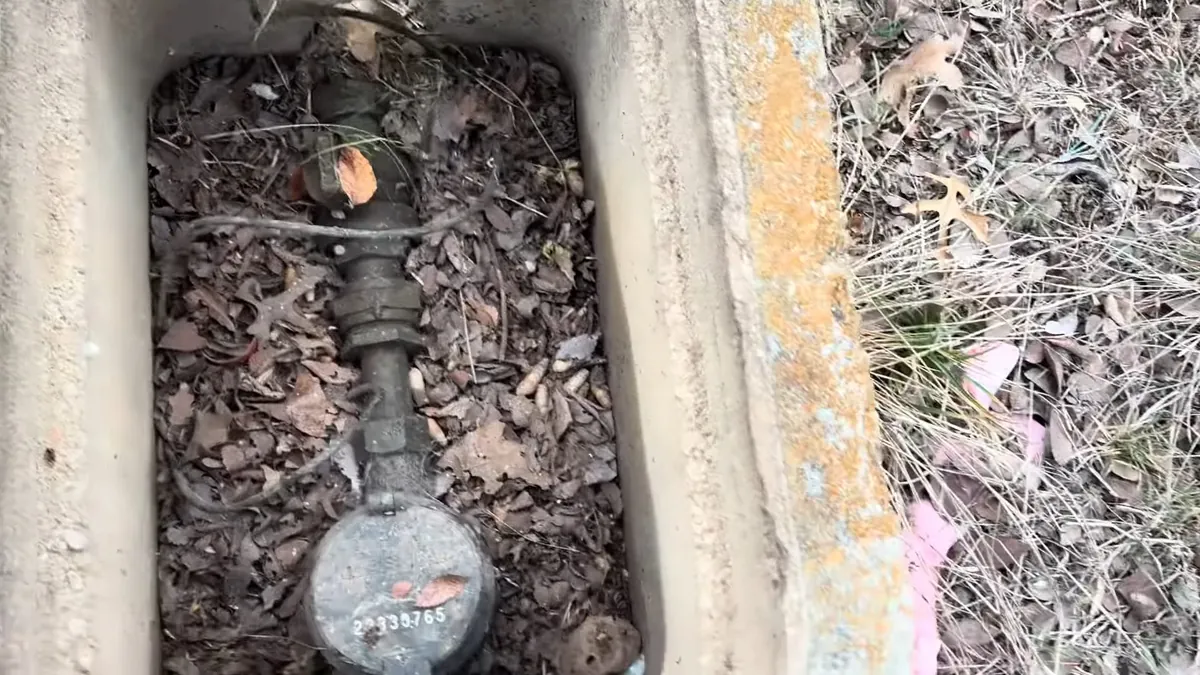
The service line runs from the main in the street, through the meter, to your house. Responsibility is split somewhere along that path, and the split depends on the provider. City reports place a few neighborhoods, Verde Village among them, on their own water systems, so read your bill to see who serves you.
| Part | Usually handled by | What to do |
|---|---|---|
| Main in the street | The water provider | Report wet pavement or a street leak to the provider |
| Meter and meter box | The water provider | Do not tamper with it; ask before closing or opening the curb valve |
| Line from the meter to the house | Property owner, with a licensed plumber | Ask the provider where its responsibility ends |
| Shutoff and pressure regulator at the house | Property owner | Learn where they are before an emergency |
For a City of Cottonwood account, Water Operations answers at (928) 634-0186, extension 3306. No published boundary for the service line was found, so confirm it with the provider.
Locating and repairing a leaking service line
The plumber first confirms the leak is on the service side by closing the house valve and watching the meter. A locator then traces the pipe and listening gear pins down where the water escapes, so the excavation can stay small.
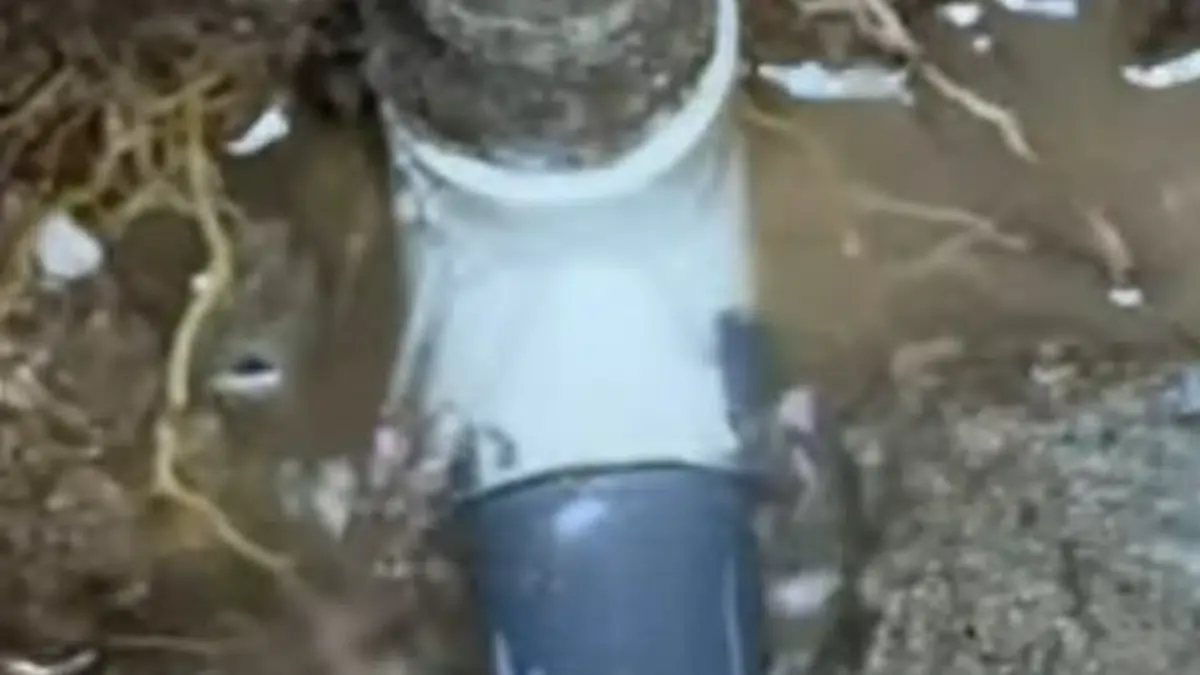
A repair usually means exposing the damaged section and cutting out a short length. New pipe is joined in with compression or crimp fittings rated for burial, and the trench is backfilled. The line is pressure tested before the hole is closed.
Before any digging, 811 must be called with two full working days of lead time so buried utilities get marked. Plan the dig around that wait, because a shovel through a gas or electric line costs far more than the delay. Pipe problems inside the walls are covered under pipe repair and repiping.
Call and say where the damp patch is, and what the meter is doing.
Replacing the whole service line
When the line is old, leaking in several places or too small, replacing it from the meter to the house ends the cycle of repairs. Copper, PEX and polyethylene are all used for buried service, and the plumber should say which fits your pressure and soil and why.
| Method | How it works | Where it fits |
|---|---|---|
| Open trench | The old line is dug up and new pipe laid in the same path | Short runs, clear ground, accessible route |
| Pipe pulling | New pipe is pulled through the old route from small pits at each end | Longer runs under driveways or landscaping |
| New route | A fresh line is run in a different path to the house | When the old path is blocked or the line is in a poor location |
Permits apply here as well, so have the plumber check with Community Development, (928) 634-5505, before a trench is opened.
Pressure, regulators, the meter and the house shutoff
Low pressure can come from a leak, a partly closed valve, scale inside old pipe or a failing regulator. High pressure is quieter and does damage slowly, stressing fixtures and supply lines. A gauge on a hose bib shows the number in seconds.
A pressure regulator, often located where the line enters the house, holds pressure at a safe level. If it fails, pressure can climb. The shutoff valve beside it is the one to learn, because that is what you close in an emergency. A valve that will not close completely needs replacing before you need it.
Photograph the meter and the pressure gauge reading before calling, if you have a gauge. Two photos taken an hour apart show a moving meter or a changing pressure more clearly than a description does, and they give the plumber a starting point.
Describe what changed and when, then give your Cottonwood address.
Water line questions from homeowners
What tells me the leak is in the buried line?
Look for a soggy patch between the meter and the house, a meter that moves with everything off, lower pressure and a higher bill. A plumber confirms by closing the house valve and watching the meter before any digging.
What if the leak is somewhere underground and I cannot see it?
A locator traces the pipe and listening equipment finds where water escapes. The excavation is then limited to that spot. Call 811 first so buried utilities are marked.
Who repairs the water line from the curb stop to the house?
Often the property owner, through a licensed plumber, but the split depends on the provider. Ask your water provider where its responsibility ends and get the answer before work begins.
My property has a private well and the pressure switch failed. Is that this service?
A well pump and its pressure switch are a different specialty from a municipal service line. If the line from the well to the house leaks, a plumber can repair it. The pump and switch belong with a well specialist.
Call, give the address and describe the damp spot.