
24/7 Emergency Line Open
What Plumbing Work Costs in Cottonwood and What Moves the Quote
No price list can cover every house, so this page explains what changes a quote instead. Use it to understand the questions a plumber will ask, then call for a quote on your own job.
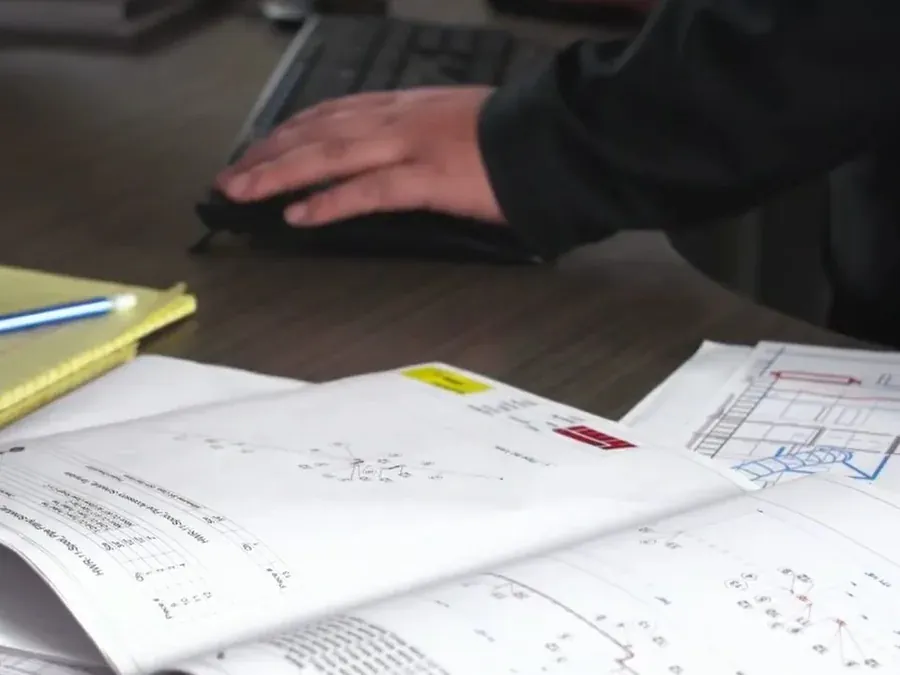
How plumbing quotes are built
Why there are no dollar amounts here: Plumbers quote after seeing the problem, and this site publishes no exact prices. The research for this site found no local price source that could be cited with a date, so none is shown.
A quote reflects three things: the time the work takes, the parts it needs, and how hard the plumber must work to reach the pipe. Two houses with the same symptom can land far apart because one has an open crawlspace and the other has a finished slab.
The sections below list the factors by type of work. They are written so you can answer the plumber quickly and compare quotes fairly. A quote that does not mention a factor from the matching list is worth a question.
Drains and sewer lines: access, length and cause
- Where the blockage sits: a fixture branch, or the main line.
- Whether a camera is needed to confirm the cause before cutting or clearing.
- The length of the run being cleared.
- Roots, grease or scale, which call for different cutting heads.
- For sewer repairs: pipe length and diameter, whether the pipe is cracked or collapsed, and side branches that must be reconnected after lining.
Open the drain cleaning page or read about sewer repair work to see how these steps unfold.
Leaks and slab leaks: finding time and repair path
- The size of the property and the number of suspect lines.
- The method used to find the leak, and whether it can be reached without opening walls or ground.
- For slab leaks, how long it takes to isolate the leak given foundation size, floors and line count.
- The tools used, such as acoustic, thermal or tracer methods.
- Spot breakout through the slab or rerouting the line overhead.
- Restoration afterward: flooring, drywall and finishes.
The pages on finding hidden leaks and slab leak repair cover the process behind each item.
Water heaters: repair, replacement and tankless
- Which part has failed and whether it is in stock.
- The age of the unit, which decides repair versus replacement.
- Tank size and fuel type: gas, power vent or electric.
- Code items such as an expansion tank, a permit and venting corrections.
- For tankless units: gas supply line size and meter capacity, electrical capacity and panel space, and the venting route with its condensate drain.
See repair questions, tank replacement and the tankless unit page for the full picture of each choice.
Repiping and the line from the meter
- House size, number of bathrooms and number of stories.
- Access through a crawlspace, an attic or a slab.
- The pipe material chosen and the wall repair afterward.
- For the water line: its length and depth, and what replaces it.
- Trenchless work versus an open trench, and surface restoration for landscape or a driveway.
- Who owns which section, meter side or house side, and any utility permit.
Details sit on the repiping page and the page about the line serving the house.
Gas lines, fixtures and disposals
For gas work, run length, pipe material and the number of appliance connections drive the job, and a pressure test and inspection are part of it. Learn more about gas line jobs.
For fixtures, the question is parts versus whole-fixture replacement, along with the condition of the shutoff valve and supply line. See fixture repairs for examples.
For disposals, motor size and build matter, and so do changes to the outlet, switch and discharge under the sink. The page on disposal replacement walks through them.
Water treatment and commercial work
Softeners and filters depend on the system type, whether a softener, a whole-house filter or reverse osmosis, and on its capacity. Local hardness and the drain and electrical hookup at the install spot matter as well. The softener and filter page explains the choices.
Commercial jobs turn on scope, building size and after-hours access. Restaurants and multifamily buildings often need work outside business hours, which affects scheduling. Read about business plumbing for what to expect.
After-hours visits and stop-gap repairs
An after-hours visit is a scheduling cost, not a different kind of plumbing, and the plumber explains any difference when giving a quote. Ask whether the visit includes a lasting repair or a temporary fix to stop the damage.
A stop-gap repair can make sense at night. It holds the problem until a daytime visit does the full job. Ask which one you are getting, and what a follow-up visit would involve, before work starts.
A plumber gives it after seeing the problem.
What to have ready so a quote is faster
- The address and the ZIP code.
- What you see, hear or smell, and when it started.
- The age and fuel type of any heater involved.
- Whether the home has a slab, a crawlspace or a basement, if you know.
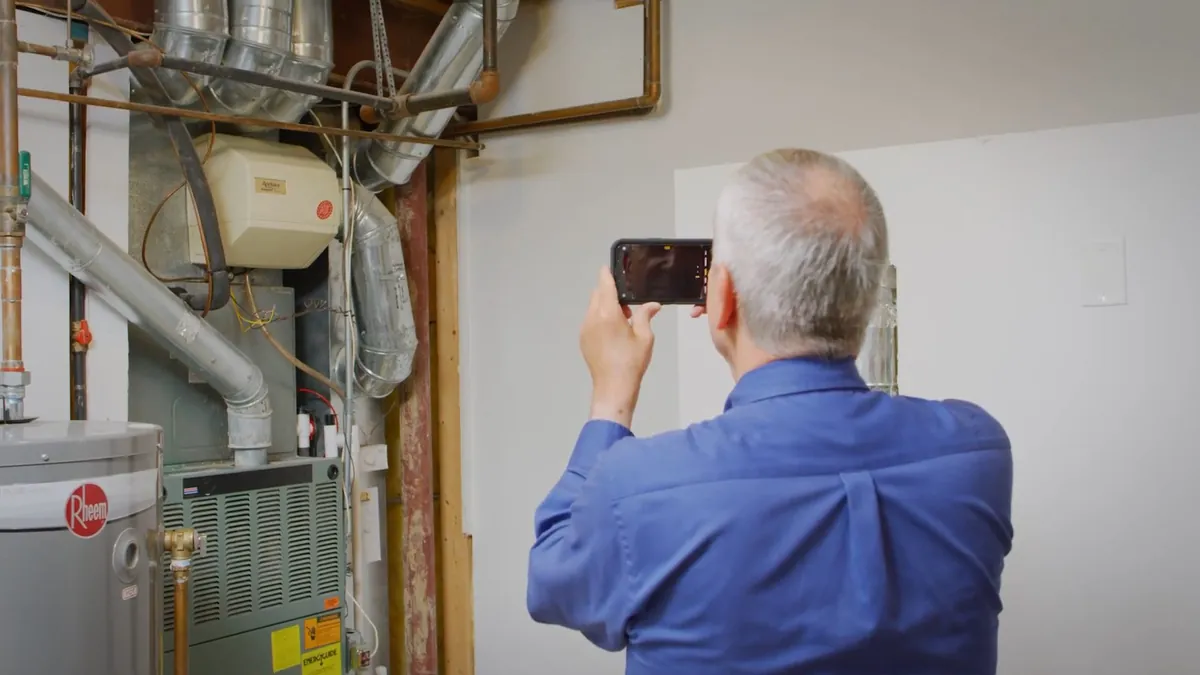
- Photos of the fixture label or the area, when it is safe to take them.
Written quotes help you compare. A useful one names the work in plain terms, lists parts that will be replaced, states whether a permit is included and says what happens if the plumber finds a second problem. If two quotes differ, ask each plumber what the other one left out before choosing.
The plumber who visits will price it on site.