
24/7 Emergency Line Open
Emergency Repiping in Cottonwood, AZ: Burst Pipes, Pinhole Leaks and Whole-House Pipe Replacement
A pipe split and water is spraying, or the third pinhole leak this year just showed up in the same house. Call, say whether the water is stopped and what kind of pipe you think you have, and a plumber serving your area can take it from there.
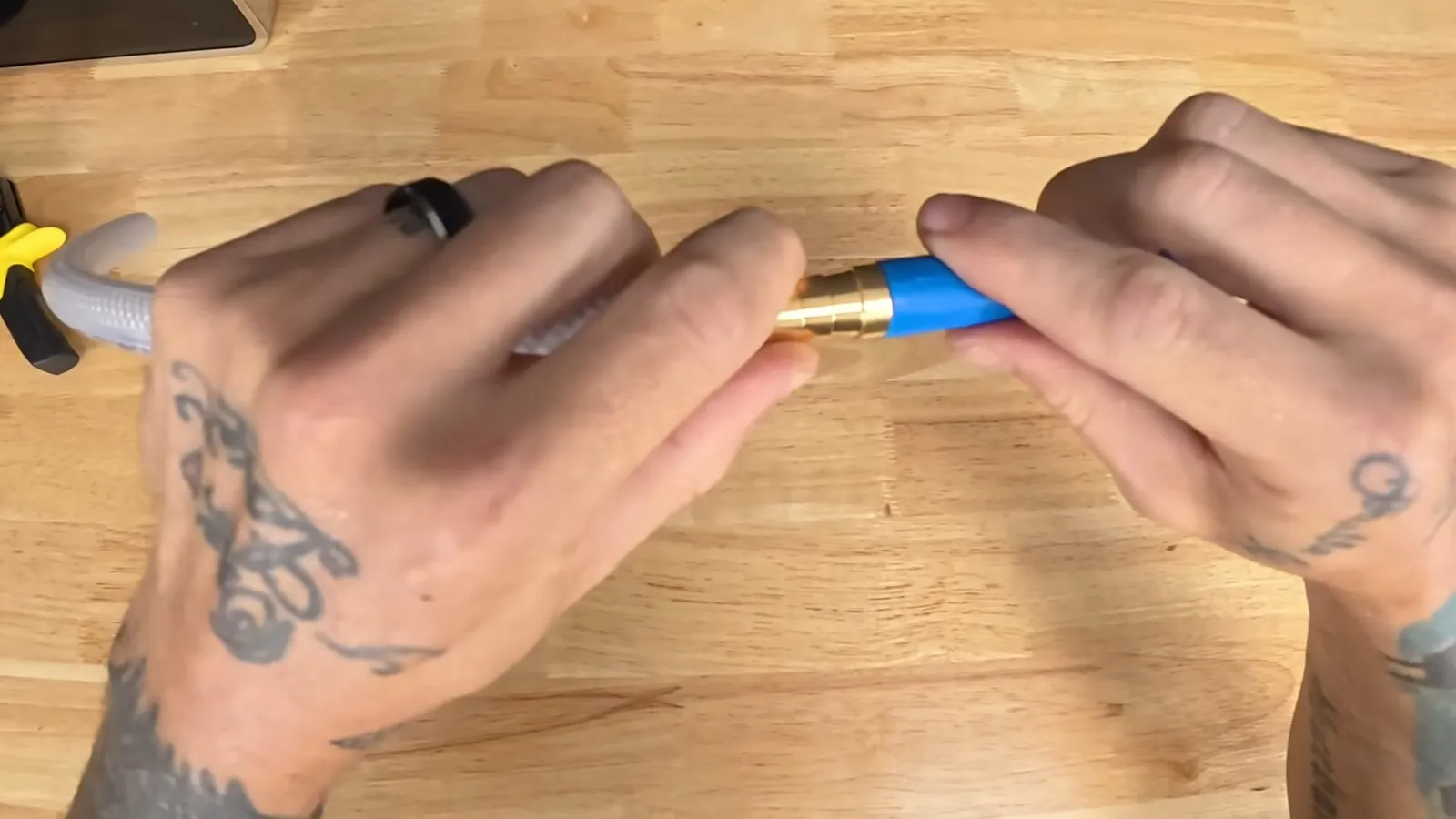
Right now
A pipe has burst: the first ten minutes
- Close the main shutoff valve, usually at the meter or where the line enters the house.
- Open the lowest faucet and one upstairs to drain the pressure.
- Turn off the water heater’s power or gas if the line that burst feeds it.
- Stay clear of wet outlets and appliances, and move valuables out of the way.
- Take photos of the damage, then call.
If you cannot find the shutoff, call anyway and describe where the water is. A plumber can often talk you through finding it by phone. Wet flooring and drywall are handled afterward through water extraction and drying.
Pinhole leaks: a small hole that points to a bigger problem
A pinhole leak is a tiny perforation that sprays a thin jet or leaves a green or white stain on a copper line. One may be a fluke. Repeated ones in different places usually mean the pipe wall is thinning along its whole length, and each patch only buys time.
A plumber can repair a single pinhole with a coupling or a short section. When a second and third show up within months, the conversation turns to replacing the lines. Ask for a pressure reading too, since high pressure speeds up wear.
Pipe materials and what each tends to do
The material in your walls drives both the repair and the decision to replace. You do not have to know it, and the plumber can usually tell at a glance.
| Material | Typical trouble | Usual response |
|---|---|---|
| Copper | Pinholes, corrosion at joints, splits after a freeze | Repair a section, or replace if failures spread |
| Galvanized steel | Rust inside narrows the pipe and lowers pressure | Replace; repairs are short-lived |
| PEX | Fitting leaks, damage from sunlight or a freeze | Repair the fitting or section |
| CPVC and PVC | Brittle with age or after a hard freeze | Replace the cracked piece |
| Cast iron (drains) | Rusts inside, grows rough, cracks | Camera check, then repair or replace |
| Polybutylene | Gray plastic that can fail at fittings | Replacement is generally recommended |
Plastic and copper age differently. A table narrows options and a plumber confirms the material and its condition on site.
Local housing note
Do not assume the pipe from the age of the house
Secondary housing data for ZIP 86326 shows the largest groups of homes built from 1990 to 1999 and from 2000 to 2009, a sizable number from the 1970s and a notable share of mobile homes. Two sources disagree on the median year built, so the area is a mix of eras.
That mix is the point. Homes of different ages use different pipe, and renovations change it again. A plumber should look at the lines before suggesting a repipe, not guess from the year on the deed.
ACS-derived figures from zipcodes-us and point2homes (secondary sources, accessed November 2026). They are not a utility or city record.
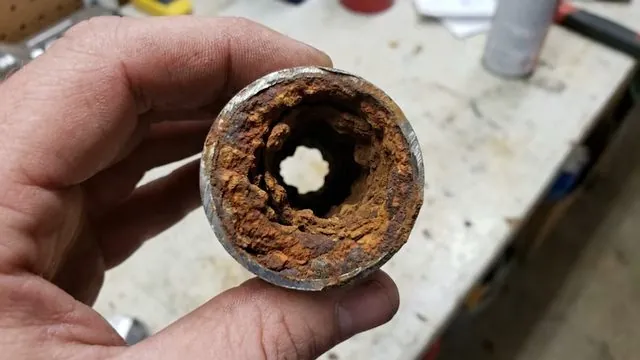
Close the main, then call and tell dispatch where it is coming from.
Whole-house repiping: when patching stops making sense
Repiping replaces the supply lines through the house with new pipe, usually copper or PEX. It is a larger job than a repair and is worth considering when leaks keep appearing, when galvanized pipe has choked the pressure down to a trickle or when a known problem material is behind the walls.
Ask for the work in writing: which lines are being replaced, how many access openings are needed, whether water will be off for part of a day or longer and how wall patching is handled. The plumber should also say whether the permit is part of the job. Community Development, (928) 634-5505, can confirm how the city treats a repipe.
Under a concrete floor, confirm what the house is built on before anything else. See finding leaks under concrete for how that works. Hidden leaks that have not yet burst are covered in finding hidden water.
Frozen pipes and the thaw that follows
Cottonwood has freezing winters. At the Tuzigoot station, federal normals put the January low near 26 degrees and count roughly 67 freezing mornings a year, and the record is 5 degrees. A pipe that freezes can split with no sign until the ice melts.
If a faucet delivers nothing on a cold morning, shut the main before the line thaws, then check the exposed run. Insulation, drained outdoor lines and heat in unconditioned spaces prevent most freeze damage. For underground supply lines from the meter, the right page is the line from the meter.
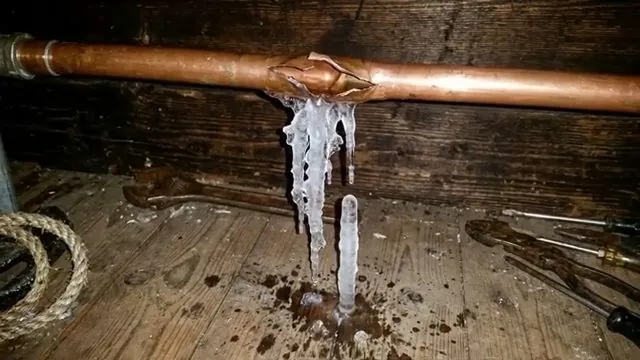
Describe the leaks and where they have appeared, and give your address.
Pipe repair and repiping questions
What is the difference between PVC and cast iron drain pipe?
PVC is plastic, light and smooth inside, and resists rust. Cast iron is heavy, quieter and strong, but it rusts from the inside as it ages. Many older drain lines are cast iron, and replacements are often PVC. A camera shows the condition of whichever you have.
Why do I keep getting pinhole leaks?
Repeated pinholes usually mean the pipe wall is wearing thin along its length, from corrosion inside or high water pressure. Patching one spot leaves the rest in the same condition. A plumber can test pressure and look at the pipe to judge whether replacement is the better path.
Should I repipe a house that has polybutylene pipe?
Replacement is generally recommended because that gray plastic can fail at fittings. The plumber confirms the material, checks the condition and explains the scope before any work.
What should I do if a pipe bursts?
Close the main shutoff, open faucets to relieve pressure, switch off the water heater feed if involved, stay clear of electricity and call. Photos of the damage help later.
Call, tell dispatch what has failed so far and a plumber will be lined up.